
History
 |
 |
 |
|
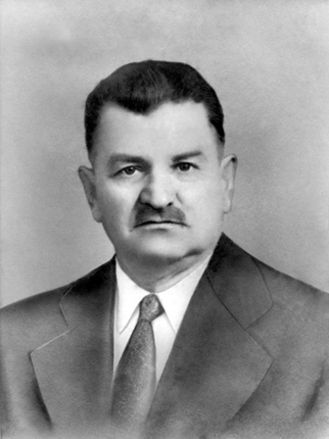
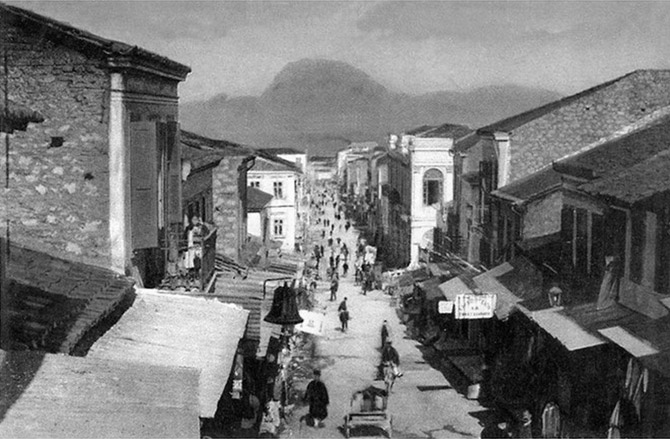
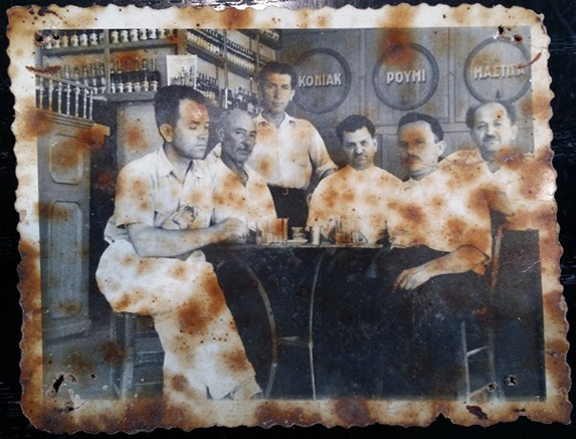
The Vantana Distillery was founded in 1904 in Patras by Panagiotis Vantanas. For many years, it operated in the “Markato”, the commercial centre of Patras at the time, and many got acquainted with the traditional distillery and tasted its spirits.
|
||||||||
|
|
||||||||
|
||||||||
|
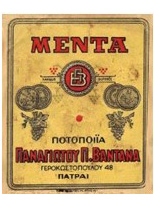
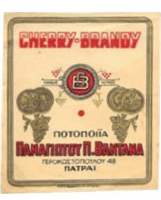
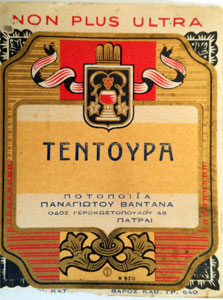
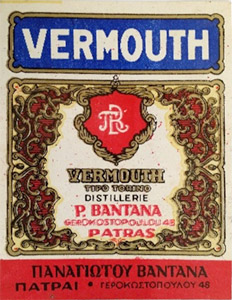
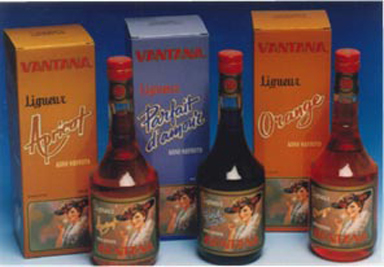
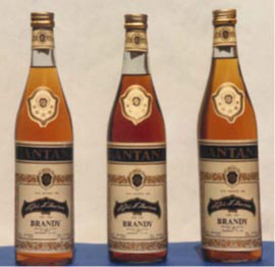
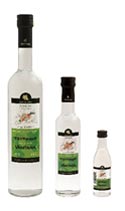
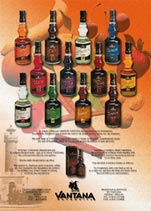
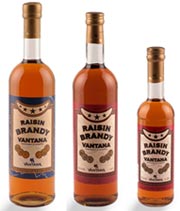
During that time, Panagioti Vantana spirits, such as ouzo, raki, vermouth, rum, brandy, and mavrodafni grew very popular, as did the “sweet liquors”: banana, rose, mint, mastic, mandarin, coconut, benedictine, and especially tentoura. |
||||||||
|
|
||||||||
|
||||||||
|
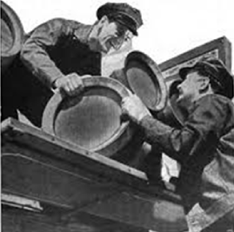
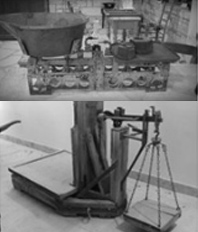
The wholesale in wooden barrels and the weighing in “oka” and “dram”, the old traditional units, was characteristic of the time. |
||||||||
|
|
||||||||
|
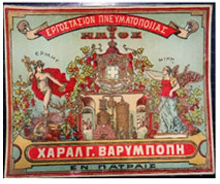
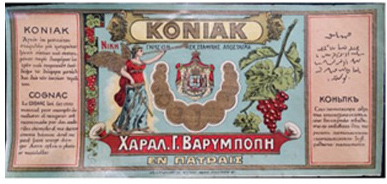
Panagiotis Vantanas was introduced to the secrets of the spirits, while working from a young age at “O Ilios”, the distillery of Charalampos Varympompis. When he felt ready, he established his own liquor factory - distillery in the Markato area of Patras.
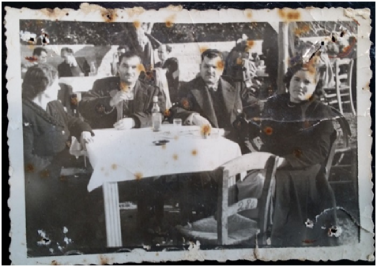
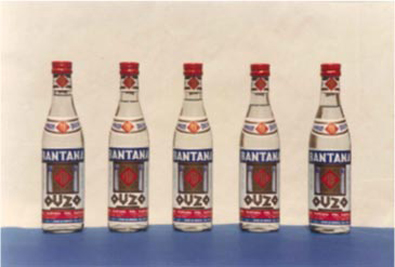
Gerokostopoulou Street was the road connecting the Markato commercial area with the emblematic Georgiou Square with its wonderful fountains. This square was Panagiotis Vantanas’ favourite for his daily walks and his meetings with friends. The distribution and wholesale was done mainly in bulk packaging, such as in wooden barrels, containers, and large glass jars, while the company used classic glass bottles in retail.
|
||||||||
|
|
||||||||
|
||||||||
|
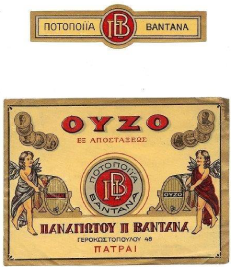
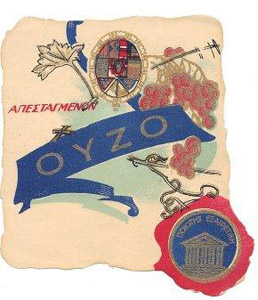
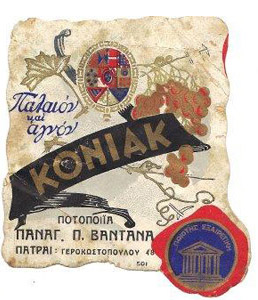
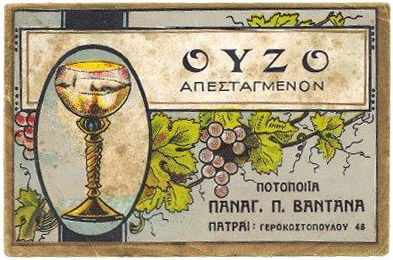
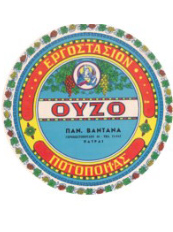
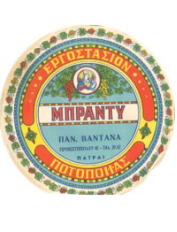
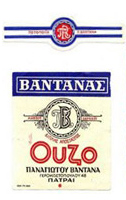
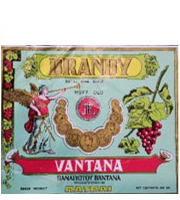
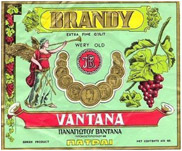
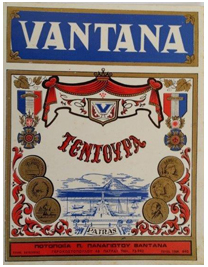
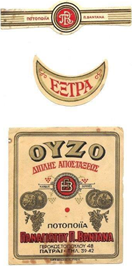
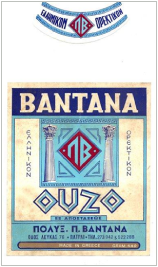
The glass bottles not only displayed the extraordinary spirits but also their labels, which were masterfully created by the printers of the time and which nowadays constitute works of art. |
||||||||
|
|
||||||||
|
||||||||
|
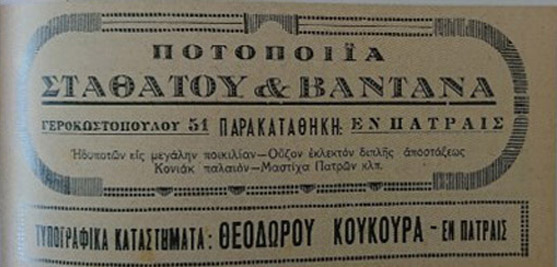
A few years later, around 1938, and for a short time, Vantanas collaborated with Christos Stathatos at 51, Gerokostopoulou Street; however, this collaboration ended at the beginning of the World War II.
|
||||||||
|
|
||||||||
|
||||||||
|
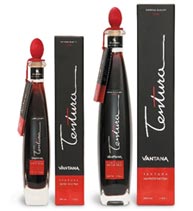
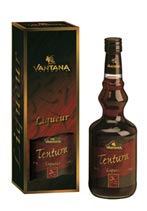
The end of the war marked the resurgence of liquor manufacturing, and so, the distillery was slowly revived at 48, Gerokostopoulou Street in the Markato of Patras. In 1950, Vantanas produces an exquisite Tentoura recipe for his friends and those demanding customers who were looking for something unique. |
||||||||
|
|
||||||||
|
||||||||
|
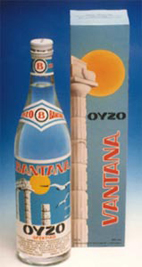
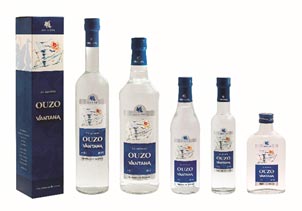
A little later, he presents a new label for Vantana 100% double distilled Ouzo. |
||||||||
|
|
||||||||
|
||||||||
|
It is worth noting that Panagiotis Vantanas was collaborating with his colleague, Paris Mavrommatis.
|
||||||||
|
|
||||||||
|
||||||||
|
Following Panagiotis Vantanas’ death, his wife, Polyxeni, took over the company; she had learned the art of distillery during all these years by his side.
|
||||||||
|
|
||||||||
|
||||||||
|
The tradition and the love for distilling was passed on to the second generation: his daughter, Pigi, and his son-in-law, Ilias Tzoudas, continued the operation of the distillery. In 1978, the distillery was transferred to a new, company-owned production site in Lefka, Patras, while the space at 48, Gerokostopoulou Street in the Markato was maintained as a retail store. The distillation, production and bottling of the products with new packaging was now taking place in this new site; this allowed the company to greatly increase the quantities produced and to sell its products throughout most of Greece. |
||||||||
|
|
||||||||
|
||||||||
|
In 1989, the business passed on to the third generation of the family, brothers Giorgos and Panagiotis Tzoudas, grandchildren of Panagiotis Vantanas, who had been ‘raised’ in the distillery. The packaging of the products follows the trends of the time and Vantana starts exporting to Italy, Germany and France. |
||||||||
|
|
||||||||
|
||||||||
|
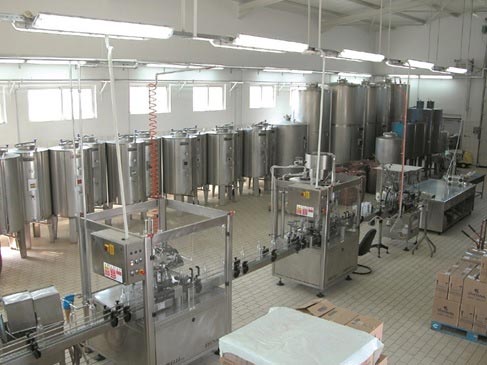
In 2000, the distillery expands to a new company-owned site; the 4000 sq.m. facilities are in Platanovrisi, Patras, Achaia, known for its crystal clear water, which springs from the Erymanthos mountain range. This water has unique properties and the right salt and metal content |
||||||||
|
|
||||||||
|
||||||||
|
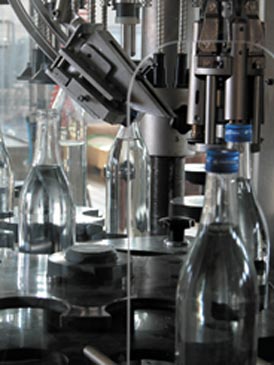
Now operating in a modern distillation - production - bottling facility, meeting the building & engineering specifications and complying with the regulations and directives of the European Union regarding the beverage industry, the company grows: new products and new packaging appear throughout Greece, at the same time as large quantities are exported to more foreign countries. |
||||||||
|
|
||||||||
|
||||||||
|
In 2017, the company proceeds to renew its logo and gradually refashion all packaging. |
||||||||
|
|
||||||||
|
||||||||
|
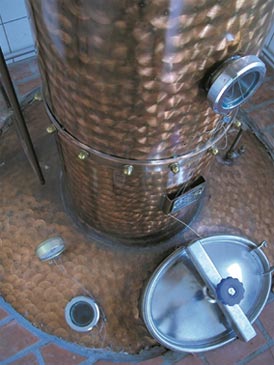
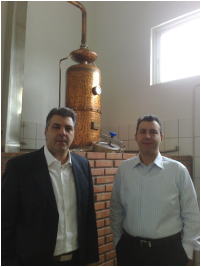
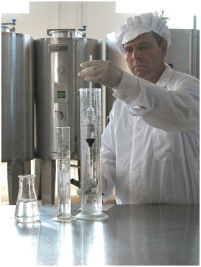
TODAY Nowadays, Vantana distillery continues to combine the traditional method of manufacturing alcoholic beverages via extraction or distillation, with the latest technology in their standardisation. The company implements a system certified according to ISO 22000 AND HACCP. The company aims to scientifically evolve and research its products, with a sense of responsibility and a passion for innovation and progress, reflecting the Tzoudas brothers’ constant concern and strive for quality.
|
||||||||
|
|
||||||||
|
||||||||
|
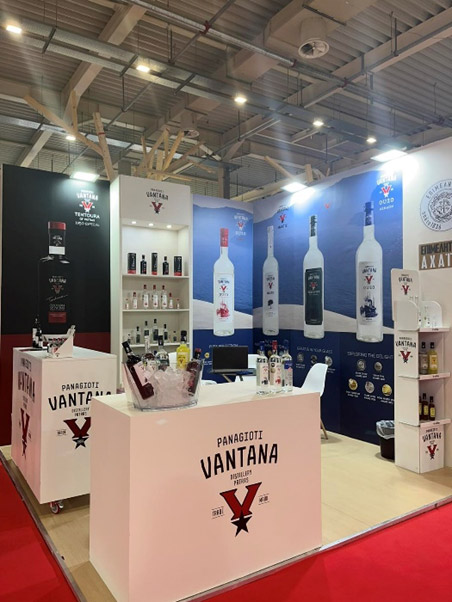
The VANTANA company takes part in International Food – Beverage Fairs, exhibiting its extensive range of products. |
||||||||
|
|
||||||||
|
||||||||
|
In Greece,
|
||||||||
|
|
||||||||
|
||||||||
|
Abroad,
|
||||||||
|
|
||||||||
|
||||||||
|
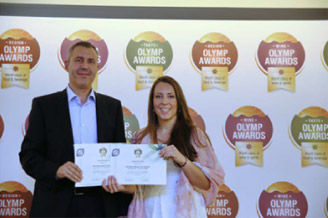
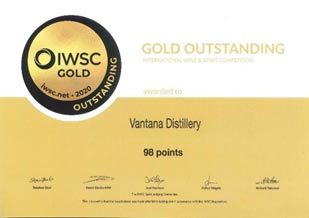
Vantana distillery products have been distinguished in quality and packaging competitions. They have received gold and silver awards, a testament to their high quality. |
||||||||
|
|
||||||||
|